When you hear the word "resume," you might think it's something only adults need when applying for jobs. But guess what? Your resume starts now! Building one before college helps you land part-time jobs, internships, and even scholarships. And once you're in college, your resume becomes a powerful tool to showcase everything you're learning and experiencing.
What’s a Resume, and Why Should You Care?
A resume is a one-page summary of your skills, experiences, and accomplishments. It helps you tell your story—what you've done and what you’re capable of. Whether you're applying for a leadership role, a summer job, or a competitive internship, having a strong resume can make a big difference.
Building Your High School Resume
You don’t have to wait until college to start creating a resume. Here are some key areas to focus on:
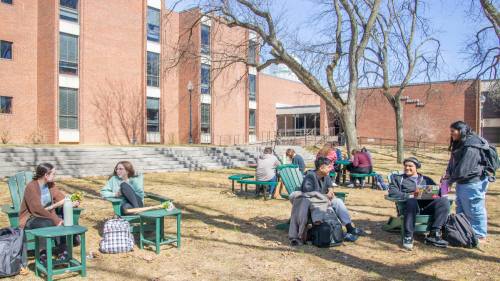
Extracurricular Activities – Clubs, sports teams, or volunteer work help demonstrate leadership and teamwork.
- Work Experience – A part-time job or summer gig shows responsibility and a strong work ethic.
- Academic Achievements – Honor societies, AP courses, or special projects highlight your dedication to learning.
- Skills Development – Taking on personal projects, learning new software, or honing writing and problem-solving skills can set you apart.
- Community Service – Volunteering in your community not only makes an impact but also adds valuable experience to your resume.
Your First-Year Resume: Siena vs. Other Schools
The college you choose plays a huge role in shaping your resume. At Siena, we make sure you’re building your resume from day one with real-world experiences. Let’s compare what your first-year resume could look like at Siena versus another school:
Category |
Your First-Year Resume at Siena |
Your First-Year Resume at Another School |
Internships |
Hands-on experience in marketing, research, or social media with Siena’s network of businesses and alumni. | Might not start internships until junior or senior year. |
Leadership |
Opportunities to lead campus events, clubs, and community service projects early on. |
Leadership roles may be harder to obtain until later years. |
Classroom Experience |
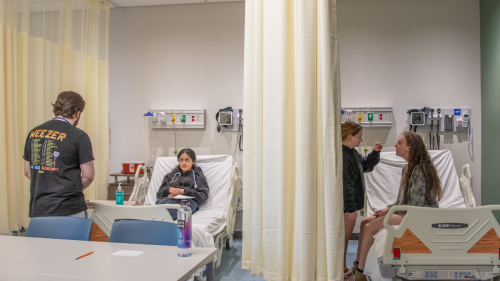
Real-world projects where you work with businesses and nonprofits from your first semester. |
More theory-based learning with limited hands-on application. |
Networking |
Direct access to Siena’s alumni network and career services right away. | Networking may be limited until later years. |
Personalized Support |
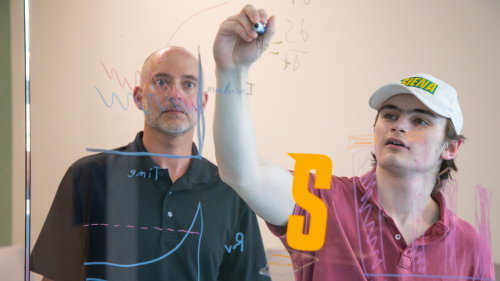
Faculty and career advisors help tailor your resume and experiences early. | You may have to seek out career support on your own. |
Moving Forward: How to Keep Building Your Resume
Your resume should evolve as you gain more experience. Once you're in college, keep adding to it by:
- Seeking Internships – Apply for internships that align with your career interests.
- Joining Organizations – Take on leadership roles in clubs or student government.
- Engaging in Research or Projects – Participate in real-world projects that give you hands-on experience.
- Expanding Your Network – Attend career fairs, connect with alumni, and seek mentorship opportunities.
The Bottom Line
Your resume isn’t just a piece of paper—it’s a reflection of your experiences and growth. Starting early means you’ll be ready for every opportunity that comes your way in college and beyond. Choose a college that helps you build the strongest resume possible—because your future self will thank you!