Siena University has been recognized by The Princeton Review as one of the nation’s best places to learn, based on feedback collected through its nationwide student survey.
For Siena students, the learning experience extends beyond the classroom. Small, discussion-focused classes, accessible professors, undergraduate research opportunities, hands-on learning, career preparation, and a collaborative campus community shape the Siena experience.
Why Is Siena University One of the Nation’s Best Places to Learn?
National rankings often focus on institutional size, but The Princeton Review’s survey of students captures what actually drives student outcomes: classroom engagement, faculty access, and campus culture
At Siena University, combines personalized faculty mentorship, hands-on undergraduate learning, collaborative academics, an inclusive campus community, and early career preparation.
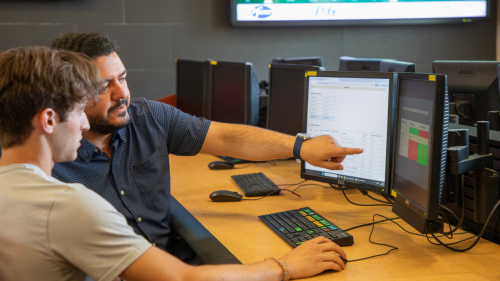
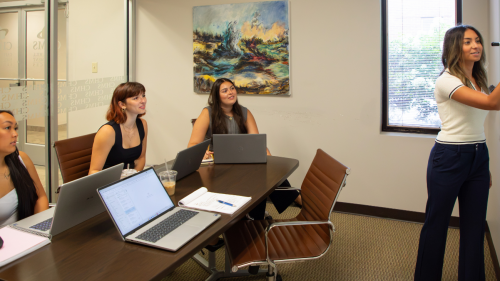
Rather than relying only on traditional lectures, Siena students have opportunities to discuss ideas in seminar-style classes, conduct research using advanced laboratory equipment, develop business ideas and prototypes, and work closely with faculty mentors.
1. HANDS-ON LEARNING: Seminars, RESEARCH AND ENTREPRENEURSHIP
Siena emphasizes active learning that gives undergraduates opportunities to apply what they learn.
- Seminar Classroom Setup: Interactive classes encourage students to participate in discussions, ask questions, evaluate different perspectives, and defend their ideas.
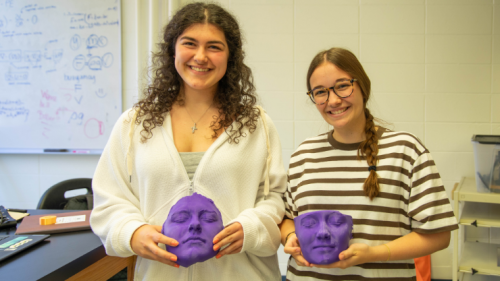
- Graduate-Level research: Students can work with faculty and use specialized laboratory equipment, including advanced microscopy technology, while conducting original research.
- The Entrepreneurship Ecosystem: Siena provides a dedicated infrastructure where students develop physical prototypes, launch real start-ups, and consult directly for regional businesses
Together, these experiences allow students to connect classroom concepts with research, problem-solving, and professional applications.
2. Accessible Professors and Personalized Faculty Mentorship
Close interaction between students and professors is a central part of the academic experience at Siena.
Faculty members get to know students' academic interests and career goals and can provide individualized guidance on coursework, research, internships, graduate study, and professional opportunities.
One student surveyed by The Princeton Review described Siena professors this way:
"Professors create a safe, hospitable environment where you feel comfortable talking to them about anything," shared one student in the survey
This accessibility gives students opportunities to develop mentoring relationships with professors throughout their undergraduate education.
3. Collaborative ACADEMICS & AN INCLUSIVE Campus Culture
Siena students describe a community in which academic achievement and peer support can coexist.
Students study together, share resources, organize review sessions, attend one another's performances and games, and participate in campus organizations and activities.
Intellectual curiosity is also an important part of the learning environment. Students are encouraged to ask thoughtful questions, consider different perspectives, and engage deeply with what they are studying.
Siena's community is grounded in its Catholic Franciscan tradition and welcomes students from different backgrounds and identities. Students, including Jewish and LGBTQ+ undergraduates, have described feeling respected and comfortable expressing their identities on campus.
4. AN ACTIVE CAMPUS LIFE
Learning at Siena also happens through relationships, organizations, activities, and traditions outside the classroom.
Students can participate in groups and activities ranging from the Mock Trial team and Lost in Sound a cappella group to intramural football and softball.
Weekly campus programming includes activities such as food trucks, therapy dog visits, student government events, and other opportunities for students to connect.
Athletics are another part of Siena's community culture. On home rugby Saturdays, students and other members of the Siena community gather along the rugby field berm to support the team.
These experiences help create the close-knit campus environment students describe in The Princeton Review's survey.
5. EARLY CAREER MOMENTUM & ALUMNI SUPPORT
Siena connects undergraduate education with career preparation before students reach their senior year.
Students can receive guidance as they explore career paths, pursue internships, prepare for job searches, and consider graduate or professional education. Siena's alumni community can also help students build professional connections and learn about career opportunities.
The result is an undergraduate experience designed to connect academic learning, mentorship, practical experience, and preparation for life after college.
FREQUENTLY ASKED QUESTIONS
Siena combines small, discussion-oriented classes with faculty mentorship and hands-on learning. Depending on their field of study, undergraduates can participate in research, work with specialized laboratory equipment, develop entrepreneurial projects, and apply classroom concepts to practical problems.
The Princeton Review gathers feedback from college students about their experiences at their institutions. Its student surveys examine aspects of college life such as academics, professors, campus culture, and the overall student experience. Siena's recognition reflects feedback included in The Princeton Review's nationwide student survey.
Siena emphasizes a collaborative academic environment. Students study together, exchange ideas, participate in review sessions, and support one another inside and outside the classroom while pursuing their individual academic goals.
Siena emphasizes direct interaction between students and faculty. Professors can serve as mentors who help students navigate coursework, research interests, internships, career opportunities, and preparation for graduate or professional study.