The acceptance letter has arrived. The financial aid package has been opened. Campus visits are being compared.
For many seniors, this is the quiet in-between.
They are no longer asking, “Where did I get in?” They are starting to wonder, What will my life actually look like once I get there?
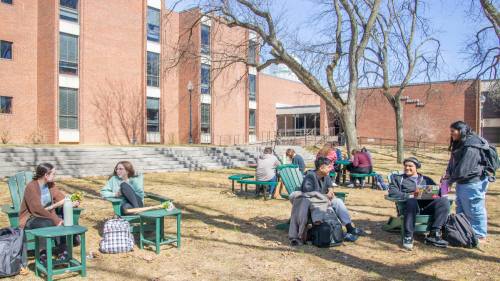
This is often the hardest question to answer. Rankings, cost comparisons, and program lists only go so far. What students are really trying to imagine is their daily life. Where will they sit? Who will they talk to? How will they spend their time? Will they feel engaged or anonymous? Challenged or comfortable? Supported or on their own?
It can be helpful to shift the conversation from “Where did I get in?” to “How will I be learning?” Because how students learn shapes how they grow.
College is often imagined as lecture halls and note-taking. But for many students, the most transformative moments happen when they are asked to participate rather than observe.
hands-on learning from day one
Research That Isn't Reserved for Seniors
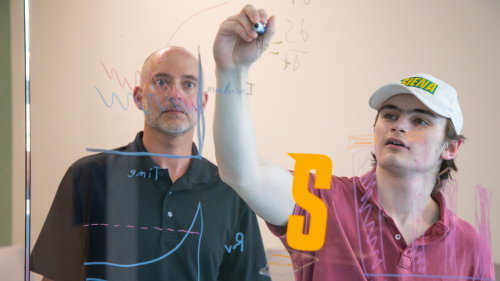
Hands-on research opportunities begin in the first year, not the final one. Students collaborate with faculty, test ideas, analyze results, and develop the skills needed for graduate study and competitive careers.
Wall Street in the Classroom
Students analyze live market data using Bloomberg terminals in the Hickey Financial Trading Center. They track trends, evaluate risk, and develop strategic recommendations using the same tools found in professional finance settings. Classroom learning mirrors the pace and complexity of today’s markets, helping students build both technical skill and confidence early.
From Classroom to National Television
Communications students do more than study media. They analyze it, produce it, and experience it firsthand. Opportunities such as visiting the TODAY Show give students insight into broadcast production, messaging strategy, and the fast-paced environment of professional media.
International Experiences
Applied learning is not confined to a classroom or laboratory. Through faculty-led international experiences, students engage directly with global centers of innovation and discovery.
Siena students have traveled to CERN in Geneva, Switzerland, the world’s leading laboratory for particle physics. There, they explored large-scale scientific collaboration, examined cutting-edge research in action, and connected classroom concepts to global scientific advancement.
Why Early Career Preparation Matters
Hands-on learning in the first year of college strengthens both academic growth and professional development. Students begin building essential competencies that employers consistently value, including communication, collaboration, critical thinking, adaptability, and leadership.
For students who already have clear career goals, early applied learning accelerates preparation and builds relevant experience sooner. For those still exploring, it offers clarity and direction before uncertainty turns into delay.
When evaluating colleges, students should consider not only what they will study, but how they will learn and how quickly they will begin connecting academics to career preparation.
Admission is the starting point. The structure of the learning experience shapes the next four years.