The future is evolving faster than ever, reshaping industries, careers, and the skills needed to thrive. The job market is transforming at lightning speed, and staying ahead means mastering abilities that blend cutting-edge technology with timeless human strengths. According to The World Economic Forum here are the top 10 skills that will define success in the years to come:
Three tech-heavy skills are leading the way:
-
AI and Big Data: Understanding how artificial intelligence works and turning data into powerful insights.
-
Networks and Cybersecurity: Protecting systems and keeping digital spaces secure.
- Technological Literacy: Mastering emerging tools and platforms like pros—it’s not just about using tech but understanding it.
The Human Superpowers:
-
Creative Thinking: Innovating, designing, and dreaming up groundbreaking ideas. Machines can follow rules, but they can’t create like you.
-
Resilience and Agility: Staying strong and flexible in a world that’s constantly changing.
-
Curiosity and Lifelong Learning: A hunger to learn and grow—exploring new fields, ideas, and skills. This mindset? It’s your ticket to staying ahead.
-
Leadership and Social Influence: Inspiring others, rallying teams, and leading with purpose. Leadership in the future isn’t about being in charge; it’s about making an impact.
-
Talent Management: Recognizing potential in others, building strong teams, and helping everyone level up.
-
Analytical Thinking: Breaking down complex problems and making smart, data-driven decisions.
- Environmental Stewardship: Understanding sustainability and tackling challenges like climate change with innovative solutions.
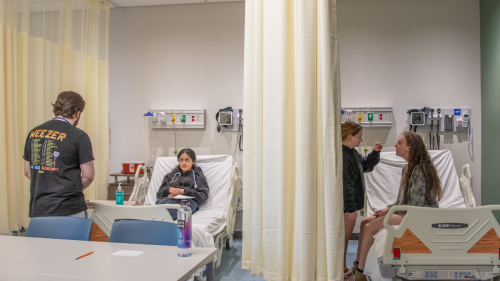
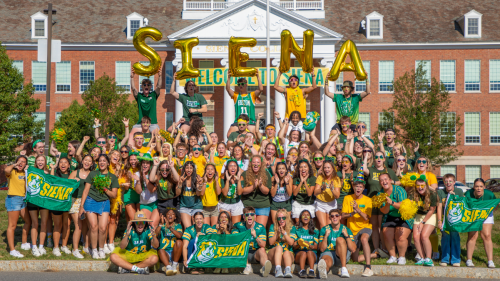
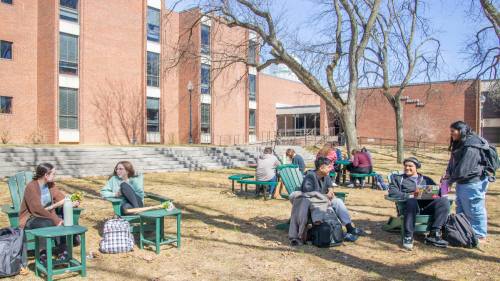
Skills like critical thinking, collaboration, and communication—hallmarks of Siena’s liberal arts foundation—are what truly set you apart in an ever-evolving world. Rooted deeply in Siena’s mission, our education equips students with the tools to connect ideas, understand people, and solve problems in ways machines never could. Through hands-on, experiential classes, Siena students don’t just learn—they actively engage with real-world challenges, gaining the skills to bridge the gap between technology and humanity.