A Unique Siena Experience
A Community That Cares: At Siena, you’ll feel the difference. We’re a community that values collaboration, support, and authentic connections. You’re not just here to learn; you’re here to grow alongside peers and mentors who genuinely care about your success.
Faculty Committed to Your Journey: Our faculty are committed to helping you explore and develop your passion. Whatever path you choose, you'll find a professor eager to guide you, challenge you, and help you thrive.
Your Path to Success
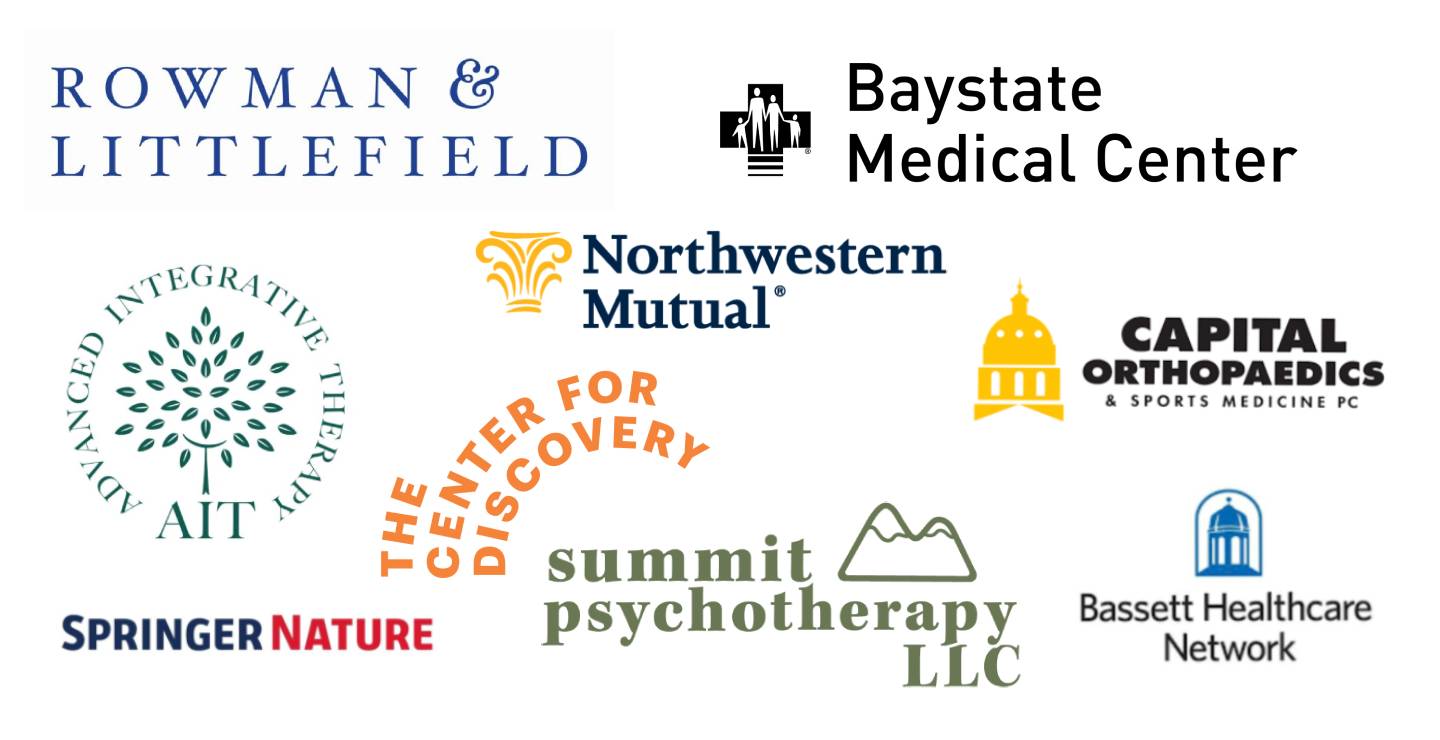
Siena’s Psychology graduates are well prepared and in demand. Many have launched successful careers in psychology practices, counseling centers, human resources departments, colleges, and school systems. Alumni work at organizations such as Baystate Medical Center, Bassett Healthcare Network, Capital Orthopaedics, Summit Psychotherapy, Rowman & Littlefield, Advanced Integrative Therapy, and Northwestern Mutual. Others have pursued advanced study at prestigious institutions including the University of Connecticut, Seton Hall University, St. John’s University, and more.
Frequently asked questions (FAQ)
Is a psychology degree worth it?
Yes. A psychology degree develops skills in communication, research, critical thinking, data analysis, and understanding human behavior. These skills can be applied to careers in mental health, healthcare, education, human resources, business, research, social services, and other fields. A psychology degree can also provide a strong foundation for graduate and professional programs.
What can you do with a psychology degree?
A psychology degree can lead to careers in mental health, social services, education, healthcare, human resources, business, research, marketing, and other fields involving people and behavior. Many careers in psychology, including becoming a licensed psychologist, require additional graduate education.
What jobs can you get with a psychology degree?
Psychology graduates can pursue careers such as behavioral health specialist, case manager, social services professional, human resources professional, research assistant, mental health technician, community outreach coordinator, and behavioral or market research professional. Some careers, such as psychologist, counselor, or therapist, require additional education and professional licensure.
Is psychology a good major for becoming a therapist?
Yes. Psychology can provide a strong undergraduate foundation for students who plan to pursue graduate education in counseling, social work, clinical psychology, or another mental health field. However, a bachelor's degree alone generally does not qualify someone to practice independently as a licensed therapist.
What do you learn in a psychology major?
Psychology majors study human behavior and mental processes using scientific research and evidence. Coursework can explore areas such as developmental psychology, social psychology, cognitive psychology, personality, abnormal psychology, neuroscience, and research methods. Students also develop skills in research, data analysis, communication, and critical thinking.
What is the difference between psychology and social work?
Psychology focuses on understanding human behavior and mental processes through research and scientific study. Social work focuses more directly on helping individuals, families, and communities address social, economic, and personal challenges. Both fields can lead to careers in mental health and human services, but they involve different academic and professional pathways.
Do psychology majors get hands-on experience?
Yes. Psychology students can gain practical experience through research, internships, community engagement, service learning, and other opportunities to apply psychological concepts outside the classroom. These experiences can help students explore potential careers and prepare for graduate study.